
Why Indian publicists now fear fan pages more than film critics

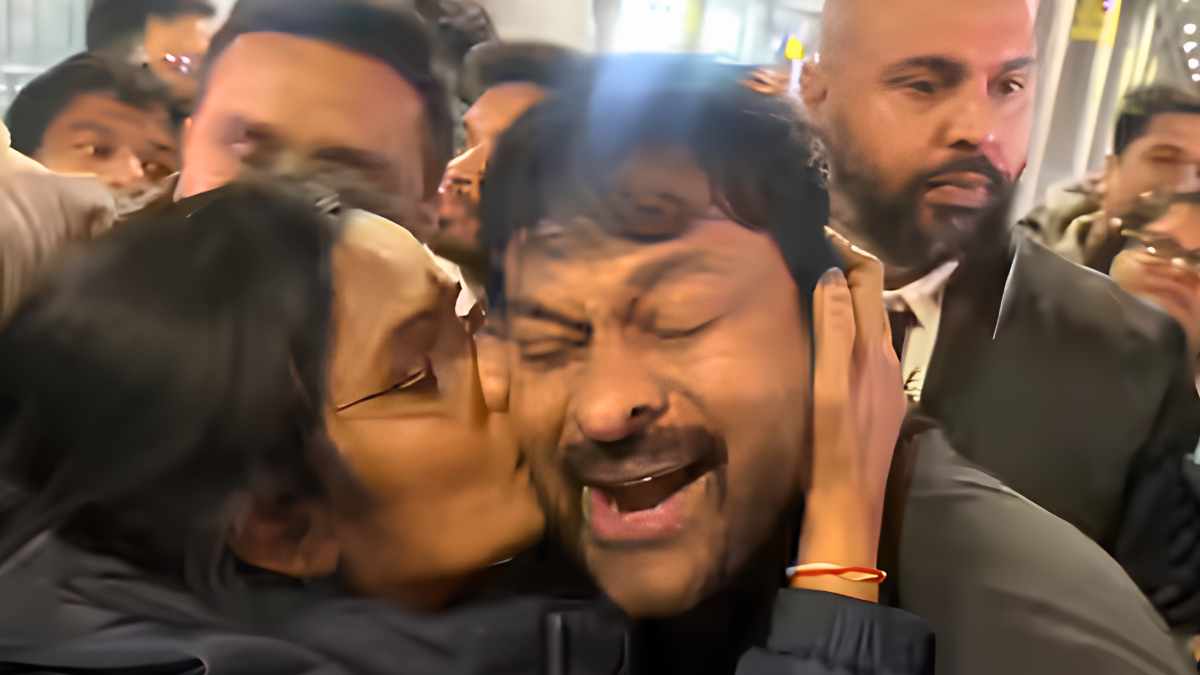
There was a time when loving a film star in India meant queuing outside a cinema hall at dawn, garlanding a cardboard cut-out or bursting firecrackers on the first day of a release. That devotion has not gone anywhere. It has simply moved address. Today it lives on X, Instagram and YouTube, and from there it can shape headlines, sway brand deals and occasionally spiral into something far uglier than a queue outside a ticket counter.
For the stars themselves, and for the publicists who protect their reputations, this shift has created a genuinely tricky new reality. The same fan armies that once shouted themselves hoarse in a darkened auditorium now shout in comment sections, and the internet never really goes quiet.
The upside is real, and it is valuable
Start with the good news, because there is plenty of it. Dedicated fan pages promote films for free, defend their favourite stars around the clock and generate a kind of buzz that money simply cannot buy. When a fan account shares a trailer or talks up a performance, audiences tend to trust it more than a polished advertisement, because it looks and feels like enthusiasm rather than a sales pitch.
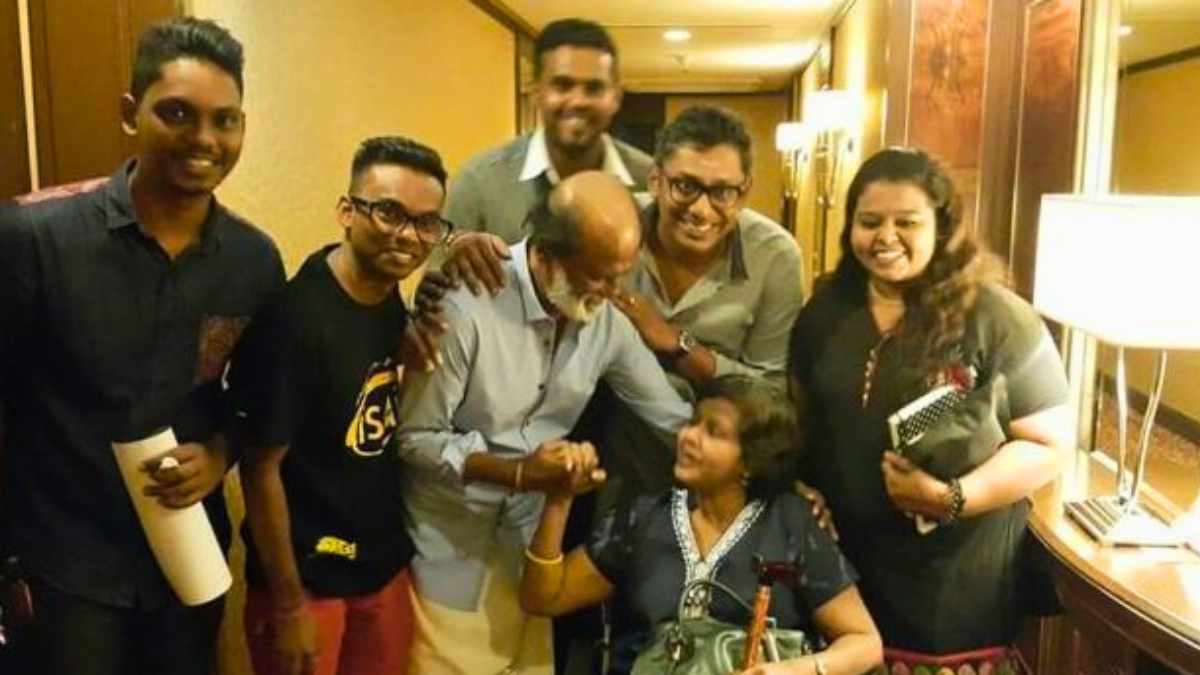
That trust has become a genuine commercial asset. Brands now weigh a celebrity’s online engagement almost as carefully as their box office record before signing a deal, because reach and reputation increasingly travel together. Regional stars have found this especially useful. Telugu, Tamil and Punjabi celebrities are attracting some of the largest and most active fan communities anywhere in the country, and that following now carries real currency with advertisers well beyond their home states.
Where it turns, and turns fast
The trouble starts the moment one fan army meets another. India’s film industries have always had healthy rivalries, but social media has given those rivalries a permanent stage. In January this year, a single post claiming veteran star Chiranjeevi was a finer actor than Kamal Haasan was enough to set off a bitter exchange between Telugu and Tamil fan bases, with old film clips dragged out as ammunition on both sides. Multiplied across a hundred such flashpoints a year, that is the texture of modern Indian fandom.
Cricket offers an even sharper illustration of how quickly online loyalty curdles into abuse. A brief on field flashpoint between Virat Kohli and Australia’s Travis Head this year triggered days of outrage that eventually reached Head’s own family. It fits a grim and well documented pattern.

Mohammed Shami faced communal abuse after a World Cup defeat. Hardik Pandya was trolled and publicly booed through much of the 2024 season after taking over the Mumbai Indians captaincy. Years earlier, MS Dhoni’s young daughter received rape threats after a lost match, a detail that still stops people cold whenever it resurfaces. None of these players started the fight. They simply had the misfortune of being loved, and hated, by people hiding behind a screen name.

Bollywood has its own long list of casualties. Sonakshi Sinha announced a public exit from Twitter after sustained hostility. Sonam Kapoor and Kriti Sanon both described social media as a toxic place to work in. Actor Shruti Seth was subjected to days of abuse, much of it aimed at her family, simply for questioning a government campaign. Female stars in particular tend to bear the sharpest edge of this, with commentary that strays well beyond film criticism into personal and often gendered insult. In parts of Telugu cinema, researchers have also traced how fan identity has become entangled with caste, turning what should be harmless devotion into something with a much sharper edge.
The impossible job of the publicist
Here is the bind publicists find themselves in. They cannot own or switch off an independent fan page, however damaging its behaviour becomes, because it was never theirs to control in the first place. Yet they know full well that a fan war trending for even a single afternoon can shape how journalists frame their client, how a brand’s marketing team perceives risk and how the wider public reads a controversy the star had no part in creating.
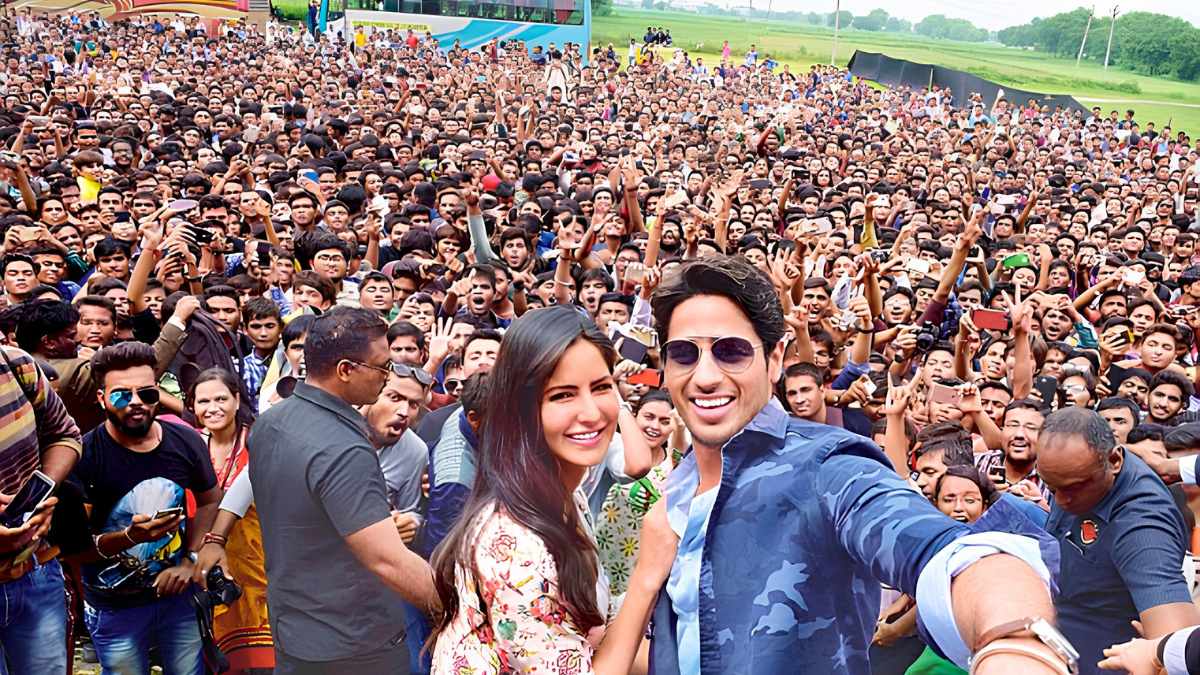
Respond publicly to a fan feud and you risk pouring fuel on it, handing it another news cycle and a bigger audience. Say nothing and the story runs unchallenged, sometimes for days, gathering its own momentum. Neither choice is comfortable, and increasingly it is this dilemma, rather than the film reviews or the interviews, that keeps modern publicists awake.
Why the boardroom is paying attention too
This is no longer confined to entertainment pages. Production houses, streaming platforms and brand marketing teams now track online sentiment before signing off on a casting decision or an endorsement contract, because a toxic fan controversy can quietly cost a star work even when they did nothing to provoke it. A consistently positive, high engagement fan base has become a genuine commercial advantage, almost a credential in its own right, while repeated online blow ups have started to look like a liability that risk averse brands would rather avoid.
Understand that dynamic and you understand where Indian celebrity culture is actually heading. The film, the innings, the interview still matter enormously, but they are no longer the whole story. What happens afterwards online, in the hands of people the star has never met and cannot direct, is now shaping careers just as decisively. For the fans, that is a kind of power they have never held before. For the stars and the people paid to protect them, it is a force that can lift a career in a single evening and complicate it just as fast, and there is no sign of it slowing down.
Key takeaways
Fan communities now generate free, high trust publicity that outperforms paid advertising for many Indian stars. Rival fan wars, from Tollywood versus Kollywood loyalty battles to cricket’s Kohli versus Rohit style rivalries, regularly turn abusive and drag in family members who have nothing to do with the dispute. Publicists cannot control independent fan pages yet must manage the fallout, since brands and casting decisions increasingly factor in online sentiment regardless of a celebrity’s personal involvement.